
A Real Estate Expert's Guide to Short-Term Rental Investment
Pasquale Pisana November 18, 2024
Pasquale Pisana November 18, 2024
As a seasoned real estate professional in the Miami market, I, Pasquale Pisana, have guided numerous investors through the complexities of short-term rental investments. Here's your comprehensive guide to making informed decisions in this lucrative market.
The foundation of any successful short-term rental investment begins with thorough market research. Look for areas with:
Initial investment typically includes:
Before purchasing, verify:
Critical points to verify:
Each municipality has unique requirements:
Required documentation typically includes:
Understanding tax obligations:
Base calculations on:
Monthly costs typically include:
Key metrics to analyze:
Self-management pros:
Professional management benefits:
Regular maintenance schedule:
Success factors:
As your real estate advisor, I recommend thorough due diligence and careful financial planning before investing in a short-term rental property. The market offers excellent opportunities, but success requires attention to detail and proper preparation.
For more guidance, visit Pasquale Pisana Real Estate.
Are you interested in buying a home? Look no further than working with a real estate expert.


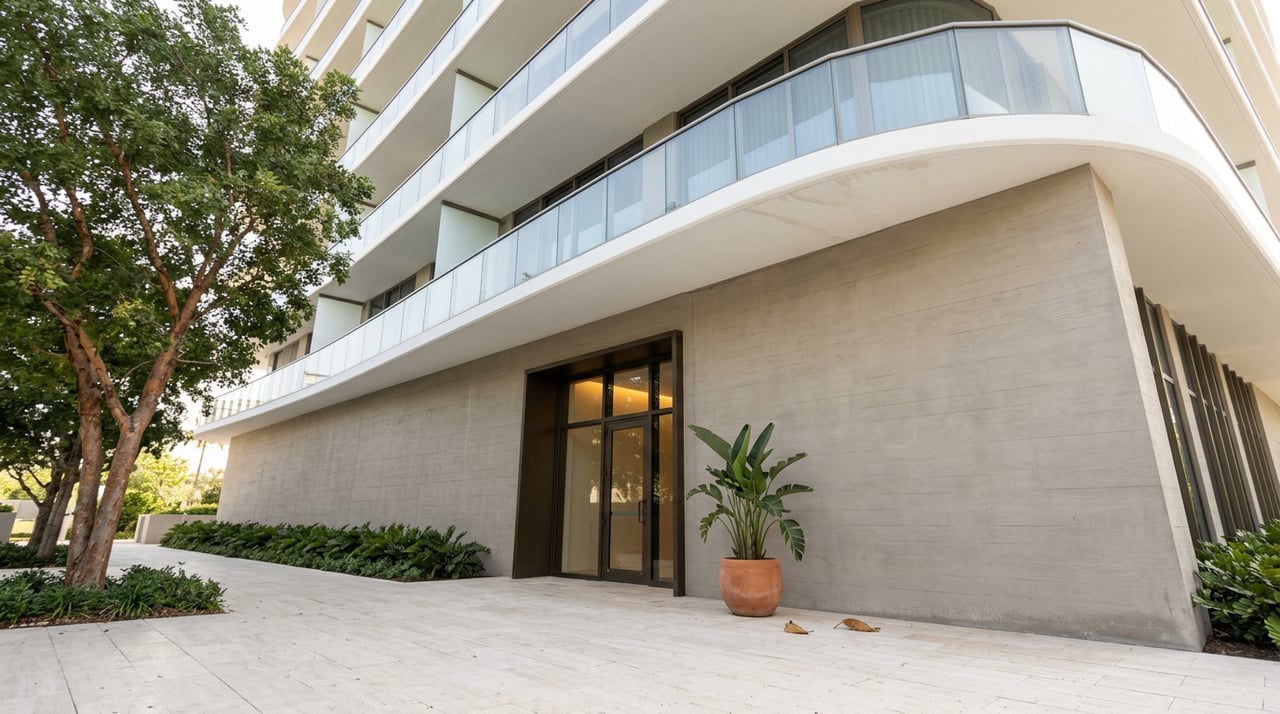



Your Complete Guide to Buying Property in Brickell: Miami's Premier Urban District

The Complete Guide to Florida Real Estate for Foreign Buyers: Essential Rules and Regulations

Cryptocurrency vs Real Estate Investment: A Comprehensive Comparison Guide

Get assistance in determining current property value, crafting a competitive offer, writing and negotiating a contract, and much more. Contact me today.